
The ten most common misconceptions
1. I’ve bought a condominium. In my own four walls, I can do whatever I like!
As a co-owner of the property, you hold what is known as an exclusive right to your apartment. You have a free hand in designing the interior, as long as you do not interfere with the building fabric, the structure or the external appearance of the building.
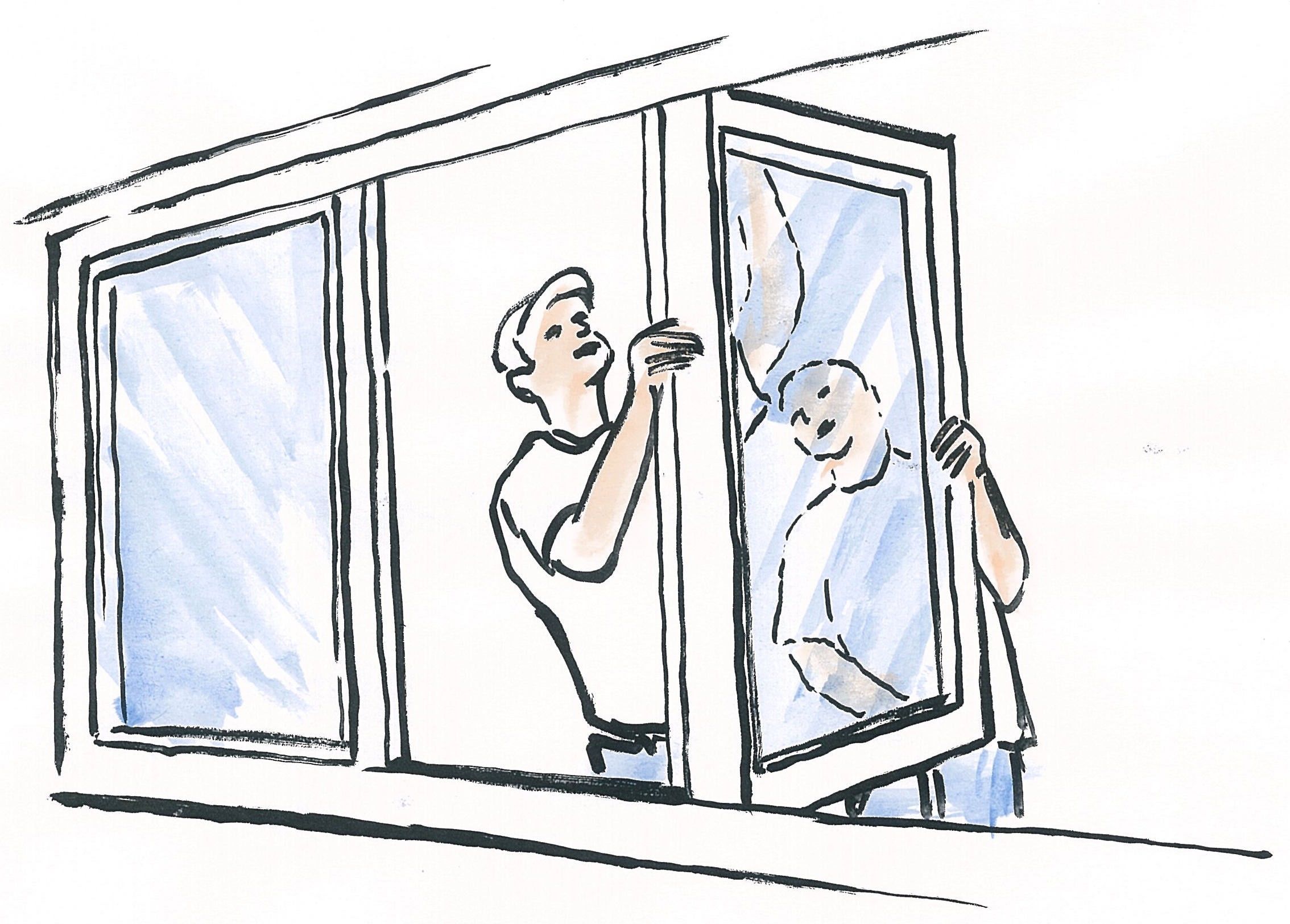
2. I live on the ground floor and don’t need the lift, so I don’t have to contribute to its maintenance costs!
The administrative costs for shared facilities are a frequent source of friction in condominium ownership. As a basis for dividing the shared costs, Alfred Müller AG sets an ancillary cost share in the regulations, which may differ slightly from the ownership share. Since shared facilities such as the lift, playgrounds or bicycle parking spaces are used differently by each condominium owner, depending on their individual needs, there are limits to how individually the costs can be allocated, also for practical reasons. A certain degree of standardisation is unavoidable. That is why, as a rule, the ground-floor apartment must also contribute to the costs of the lift, and the married couple without children to the costs of the playground.
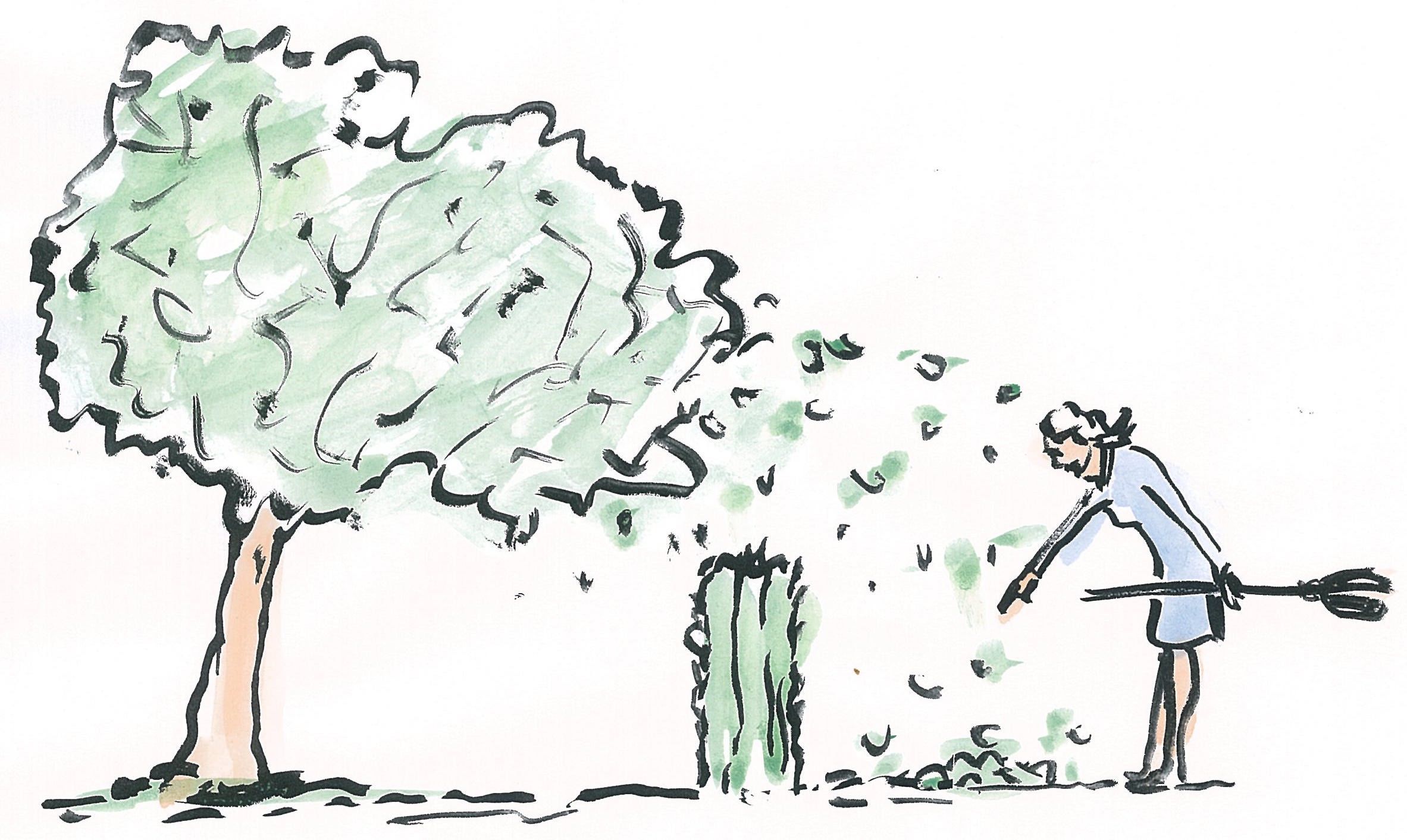
3. I’m planting an apple tree on the garden terrace of my condominium. Since all my neighbours will get a bowl of fruit from me in the autumn, no one will object!
On garden terraces, as on balconies, you as the owner only have an exclusive right of use. Anything that changes the appearance of the property or affects other owners is generally not permitted, or any change requires the approval of the community of owners.
4. As an owner, I pay the property manager’s salary. So I’m the boss and I call the shots!
You are part of a community, and the community is the “boss”. The property management’s sole client is the community of condominium owners. The property management does not represent the interests of individual owners, only those of the community.
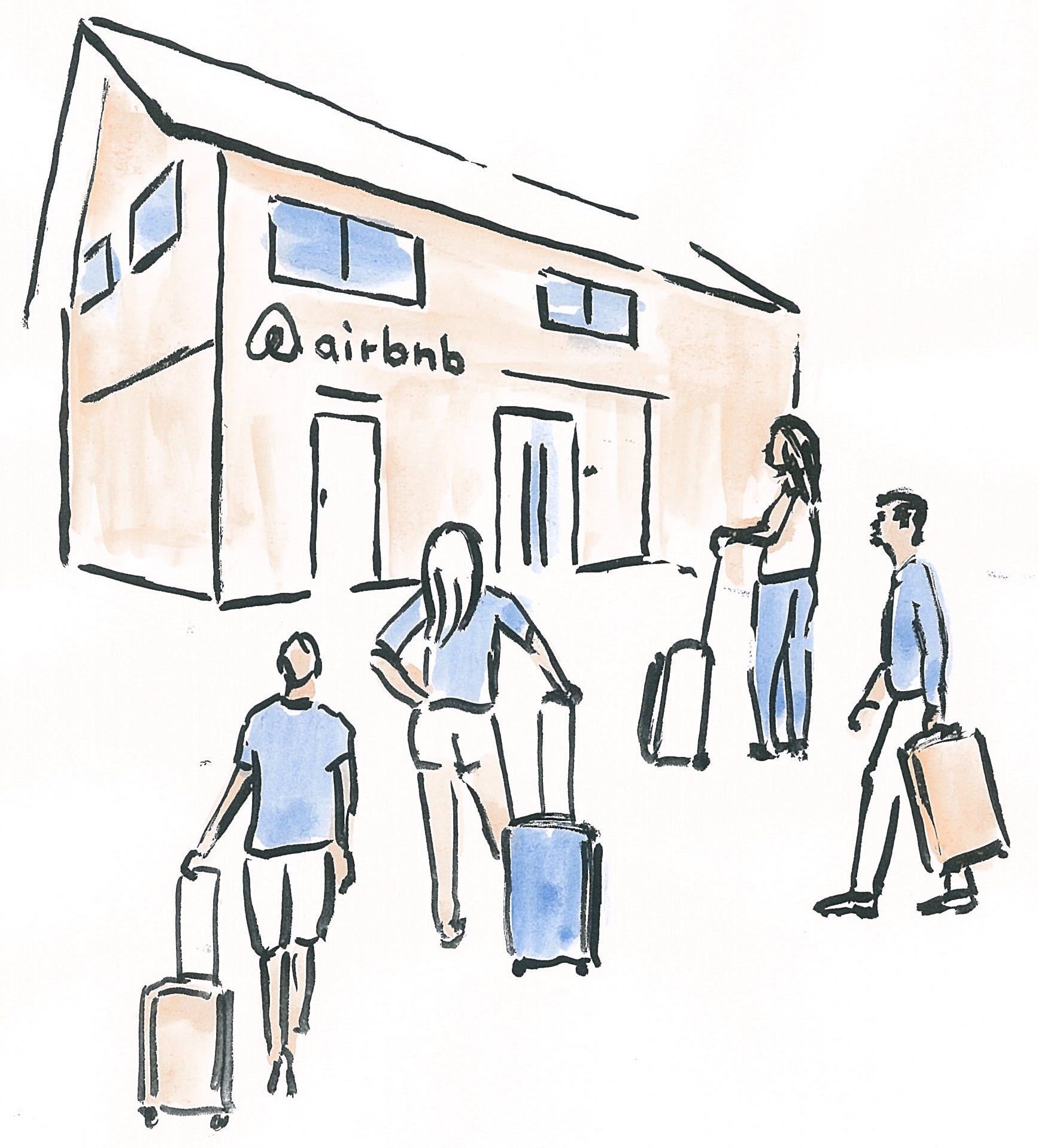
5. The long-term tenant of my condominium is moving out. Great, now I’ll rent it out regularly on Airbnb and make good money!
While it is sufficient to inform the property management of a long-term rental, the situation is different for commercial use such as Airbnb. Such use requires the approval of the community of condominium owners and should be set out in the regulations. However, a change of use of this kind requires the consent of all condominium owners.
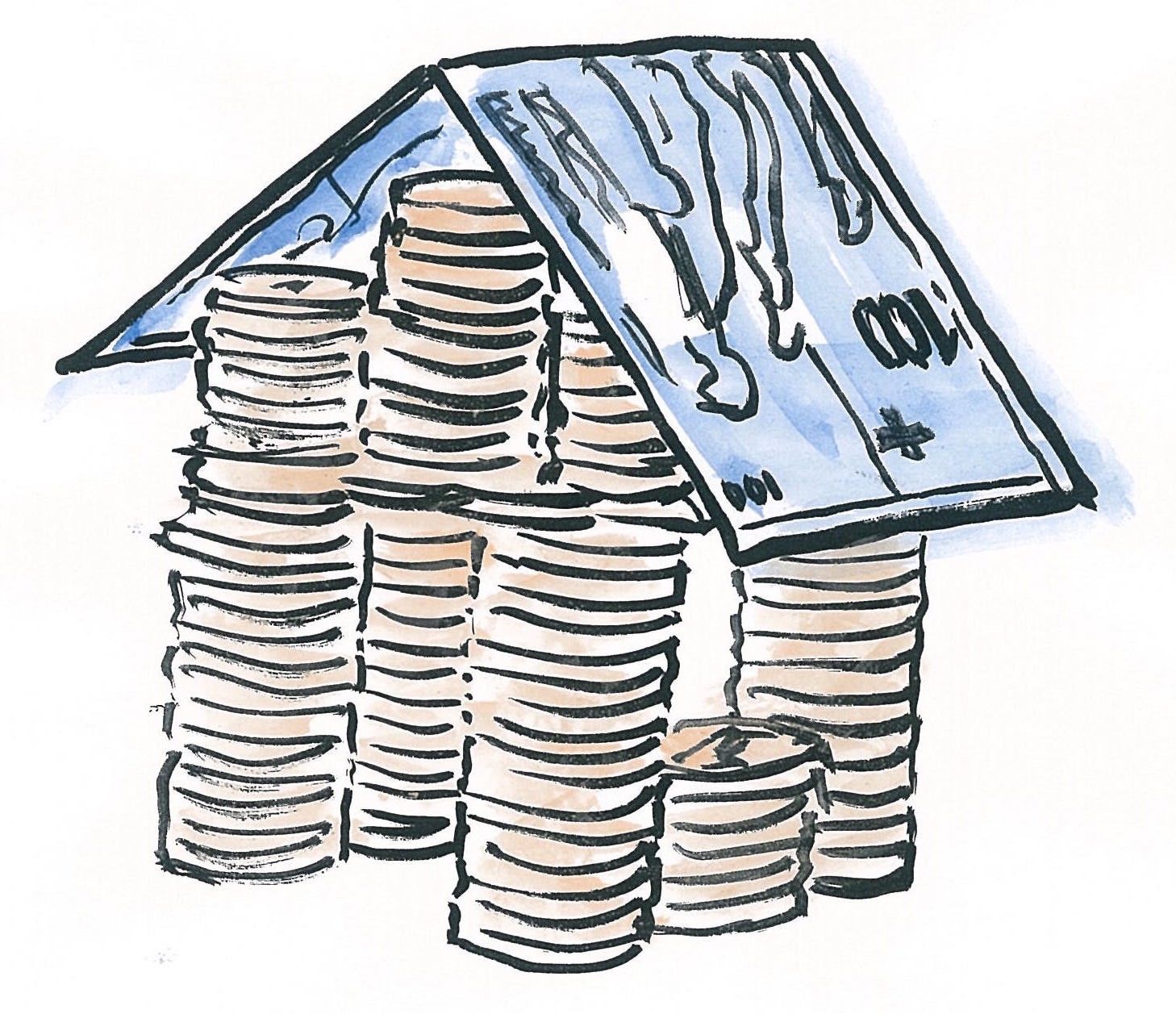
6. There isn’t enough money in the renovation fund to commission the necessary repairs to the roof. Now everyone has to pay extra – but I don’t have the money. No problem: the community will cover my share!
It can, but it doesn’t have to. If you cannot raise the necessary funds, in the worst case your apartment may be seized or sold. So you cannot count on the solidarity of your neighbours.
7. The floor of the condominium we’ve just moved into has dents that we didn’t cause. That’s covered by the warranty, so I’ll contact the tradesperson responsible.
Many general contractors assign their warranty rights against the individual suppliers to the buyers when they sell the condominium units. This is extremely tiresome for buyers, as they have to deal with having defects remedied themselves. We consider such an assignment of warranty claims unfair, which is why our purchase contracts contain no such provision. We provide a 2-year warranty on visible defects and a 5-year warranty on hidden defects. During the warranty and limitation periods, Alfred Müller AG is liable to its buyers for defects. During this time, buyers can report defects directly to Alfred Müller AG.
8. My vote always carries the same weight, whether we’re deciding on a roof renovation or installing a Jacuzzi!
Necessary construction measures that serve to maintain the value and usability of the building – such as a roof renovation – can be decided with the approval of a majority of the condominium owners present and represented, i.e. by a simple majority. Useful construction measures that increase the value or improve the economic efficiency of the building – for example installing an energy-saving heating system – require a qualified majority. This means a majority of all condominium owners who also hold more than half of the ownership shares (majority of ownership shares). Luxury projects, such as the Jacuzzi mentioned above, which merely serve to embellish the property or for convenience, require a unanimous decision: all condominium owners must give their consent.
9. I can’t attend the condominium owners’ meeting. I’ll submit my opinion on the individual agenda items in writing. That counts too!
No, it doesn’t. But you can be represented at the meeting. Our regulations provide that you can be represented by a member of your household, another condominium owner, a direct descendant or the property management. The representative must be able to present a written power of attorney signed by you to the meeting.

10. I’m selling my condominium and moving to another town. I’m now legally entitled to the contributions I’ve paid into the renovation fund.
Wrong. When you sell, your share of the renovation fund passes to the buyer and is not paid out when you move away.